

Why are endings so hard?

At the moment, I am wrestling with endings, both metaphorical and literal. Recently, I had a wonderful five-day writing retreat with my pal, who came to stay with me. We’ve been doing writing retreats together for close to twenty years. At the beginning, we both set our intentions of what we hoped to accomplish during this time. Mine was to finish the novel that I have been working on. Literally to be able to write, THE END.
I achieved my goal. I achieved it once. I achieved it twice. But the novel’s ending remained a dog’s breakfast, which is how my mother used to describe a complete and utter mess. Both times I’d painted myself into a corner. Different corners, but dead-ends. The reader was just not going to feel the pleasure I’d really hope for. I could already hear the comments my kind and dear writing group would make to me. They would sweetly suggest that the protagonist of the story must solve the story. It can’t be outsourced. We cannot have it told to us by someone else for the last half chapter, can we? I agreed with these interior comments but in this case, how could I make it work?
So I wrote a third ending which encompassed a good deal of what happened in the first two endings, but the action actually happened with my protagonist. It felt infinitely more satisfying. As my friend said, it felt like I got my sparkle back.
I am now at that magical stage where I am going back and making sure that all the payoffs are setup, that everything is in order, and that it’s tidy. It’s fun because the hard work has been done; it’s like rubbing beeswax polish on a piece of furniture.
But endings of any kind require a lot of energy and they’re hard. Is it because we don’t know what comes after those two words THE END? There’s no quick answer to the reader’s question of, “And then what happened?”
What do I wish for a friend in palliative care in the hospital? What do I wish for a friend who has to sell her home of 45 years and buy another place suitable for her and her 150 lb dog? These are uprootings of major proportions. For sure, there is life after a house, however much we’ve loved it. We may define ourselves in terms of our many years and experiences with people and that place. However, we know that other things will happen in a new environment. With the move on from palliative, it is much less clear.
I get fearful. I want good for my friends, whatever that means. I light candles for them, meditate, hold them up in love. Recently, I called my brother, who specializes in pastoral care. He visits the dying and, if they wish, is with them at the end. I asked him, What kind of attitude should I be holding here? His response to me was, Non-anxious presence.
Years ago, I remember a mentor telling me that with books, we writers can find it hard to let them go. It’s common to prolong finishing a book. Whether it’s a novel or poetry, the book has become home. We walk into it and we’re happy. We know where everything is, where we are, page after page after page. We enjoy being there. It brings us comfort.
A successful businessman once told me that his sales force used to drag out the endings on their orders. It took less energy to stay with the familiar than go out and hunt for new business. Wrap it up, he’d tell them. What I liked about his comment was that it was a simple recognition of something that happened, not a condemnation.
In life, however, endings move us into uncharted territory. This business of being alive is always calling us to leave safety
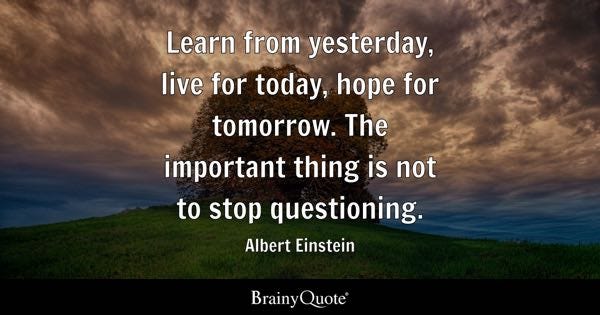
When I’m thrust out of my well-loved book into a new story, I’ve been known to wonder, How am I going to manage this one? Rather than comfort, the beginning of a new narrative creates a sense of uncertainty.
This is the knife-edge of life, that there are endings as well as beginnings. And attempting to accept this with some measure of grace is one of the challenges of drawing breath. This can be especially so for those of us of vintage years as I watch my friends deal with major issues left, right and center. There are regular water ambulance exits from the small island I live on, a medi-vac by helicopter. But when it’s my close friends on the water ambulance and the helicopter, I feel it keenly.
When I lived in Richmond, I would occasionally wander around a beautiful Buddhist temple in Steveston. I enjoyed the dragons on the temple roof, the red, the gold, the spectacle of it. I also liked how people would light joss sticks as a form of prayer. The idea was that prayers would ascend into the air with the smoke, a literal act that carries a beautiful metaphor.
In this fall season, as the light draws down, may you be well and happy. If you are of the candle persuasion, may you be well-stocked for the long dark nights that are coming. And if you live in a place with a woodstove, may your wood be well-seasoned and may your woodshed hold a comfortable supply.
Stay warm and safe and well for another winter! We’re on this hero’s journey together.
Thank you, Joy! And I'm sorry for the recent losses in your life. I think it's important to recognize endings as well as beginnings. It's symbolic and we humans need this at a very deep level. At least I do!
These words are lovely to read and to ponder which I did all day yesterday, immersed in the almost unbearable poignancy of September.